Design thinking: Building a program, then the system that let 70 designers run it without me
TLDR
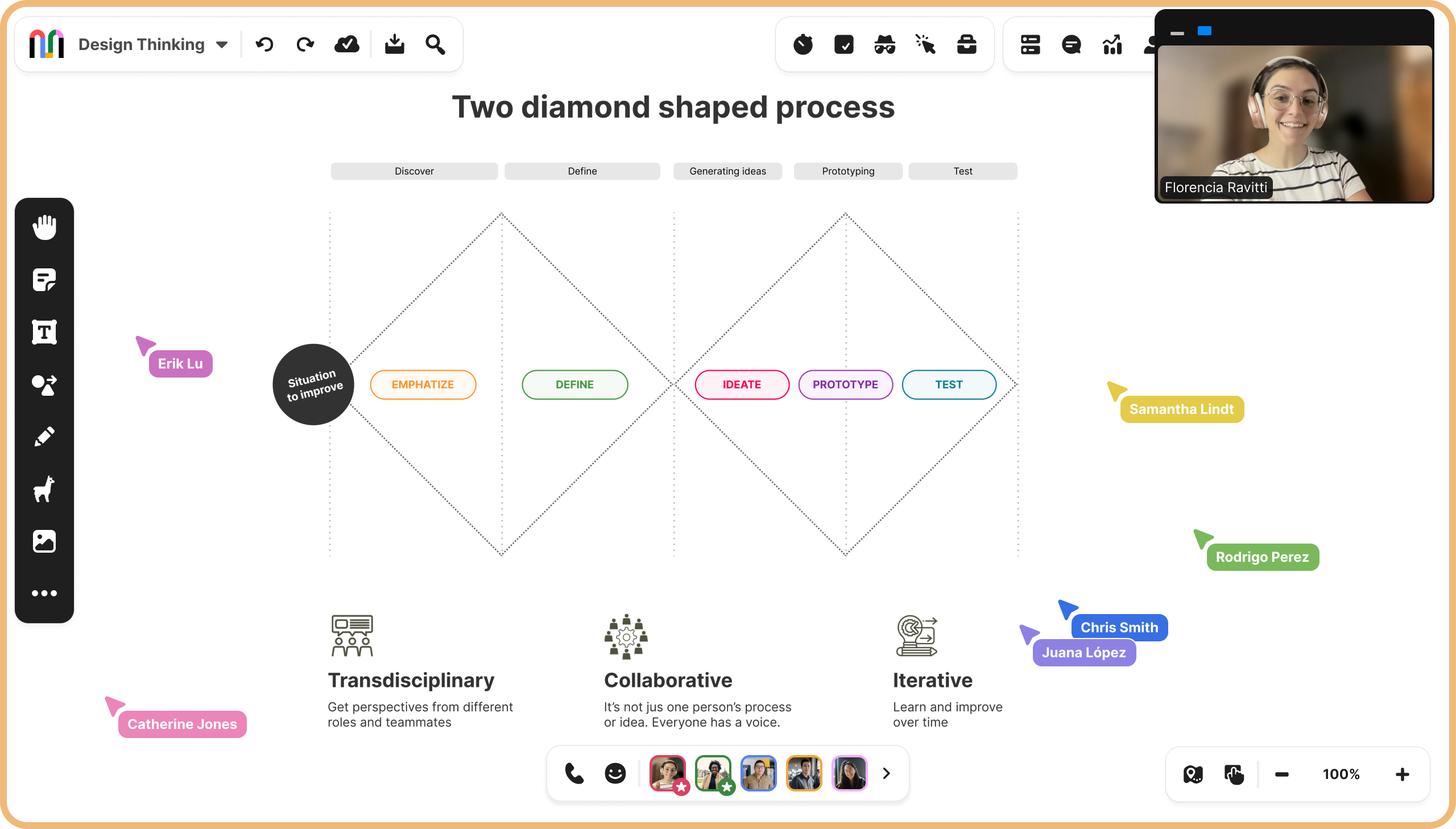
Mural sold design thinking to its customers while most of its own employees had never been through a design thinking cycle. I built the program that closed that gap, then built the system that let 70 designers run it without me. It reached 90% of the company, trained over 1,000 people, and six years later is still part of onboarding.
The gap
I joined Mural in 2019, when the company was around 80 people with a strong human-centered design culture. Then the pandemic hit and headcount went past 400 in a matter of months.
The new hires arrived with wildly uneven exposure to design methods; some had never heard of design thinking at all. That left us in an awkward position: a company whose product and pitch were built on helping other organizations innovate through design thinking, staffed increasingly by people who had never experienced a full cycle themselves.
Nobody was raising this. It was uncomfortable, it belonged to no single team, and there was no headcount attached to it. I picked it up alongside my product work.
What I chose, and what it cost
Experience over instruction. You cannot explain design thinking into someone. I designed a 2.5-hour workshop where participants paired up, interviewed each other, and ran all five stages in a single sprint. Every constraint followed from that decision: short enough that busy people would show up, accessible enough to need no design background, collaborative enough to feel like Mural rather than corporate training.
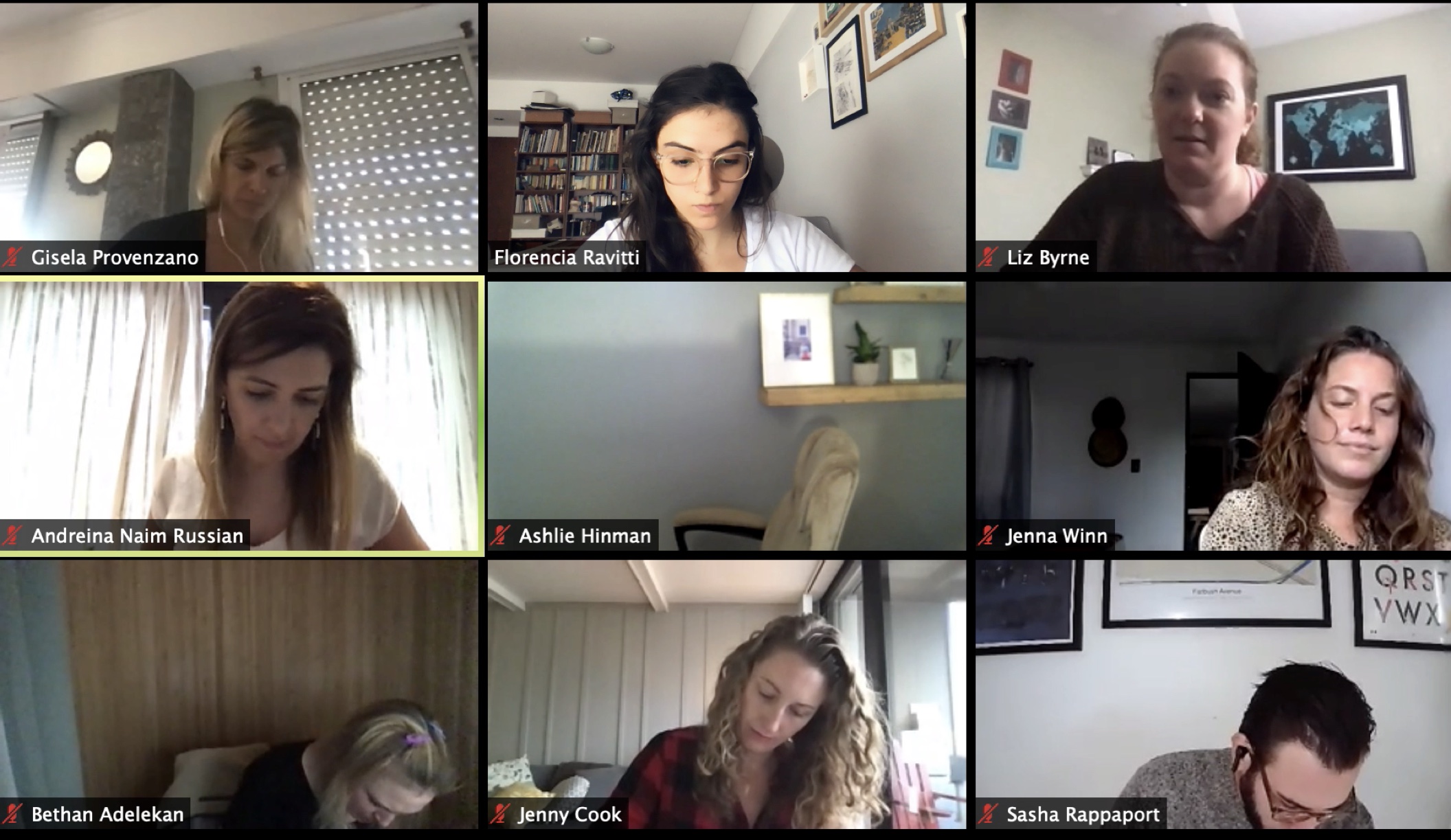
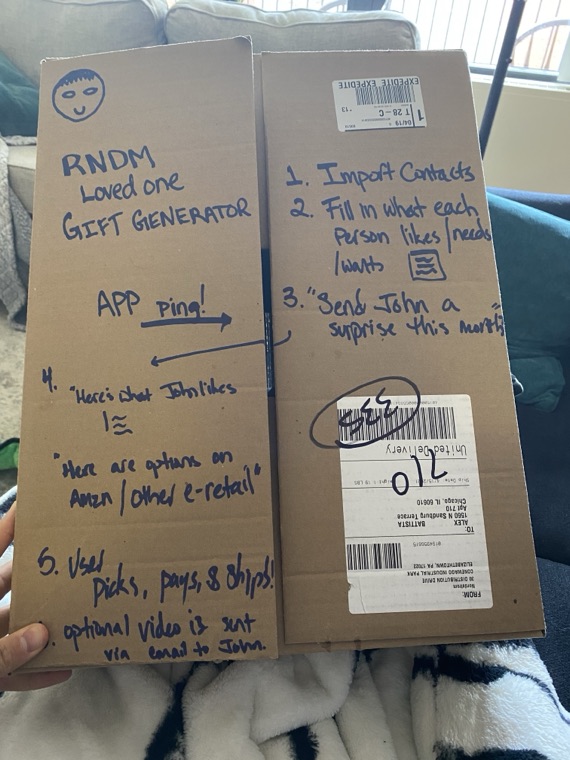
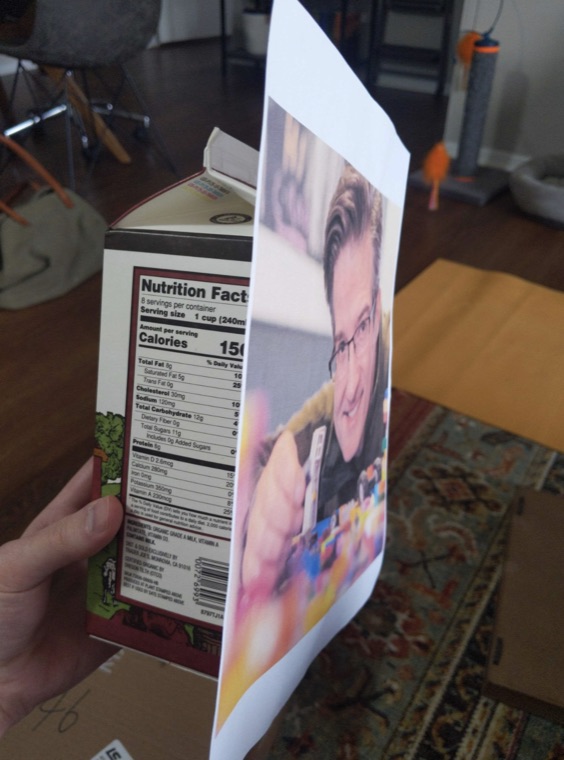
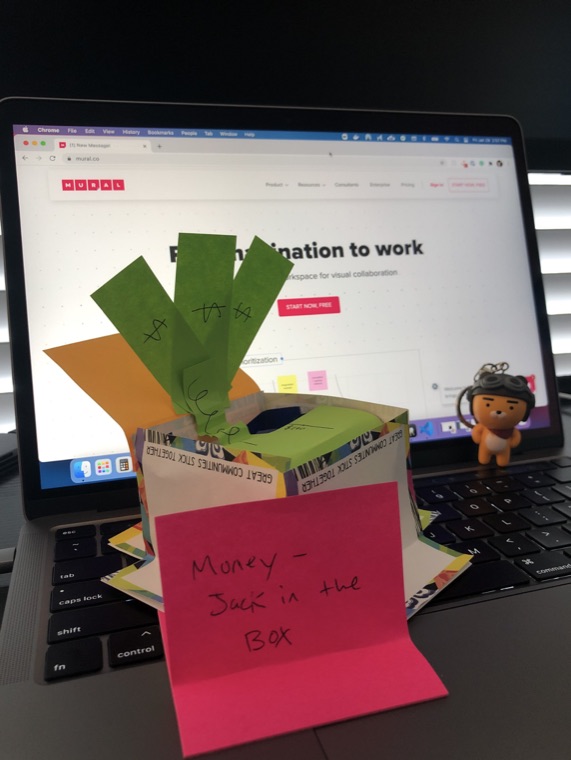
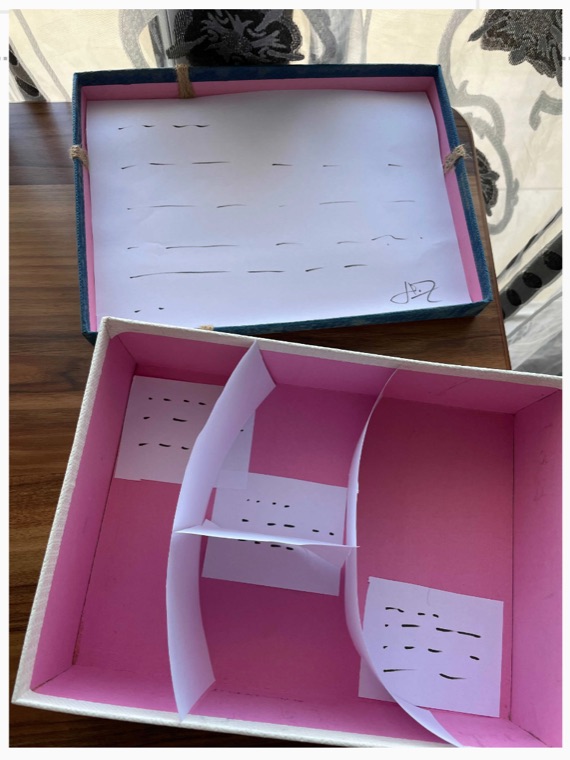
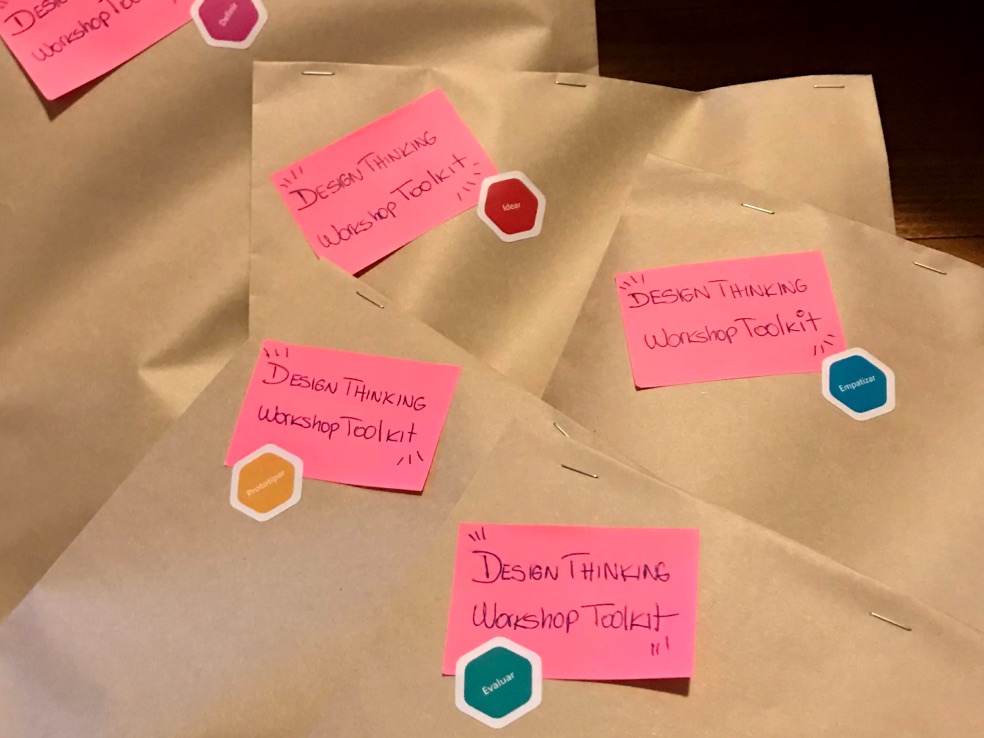
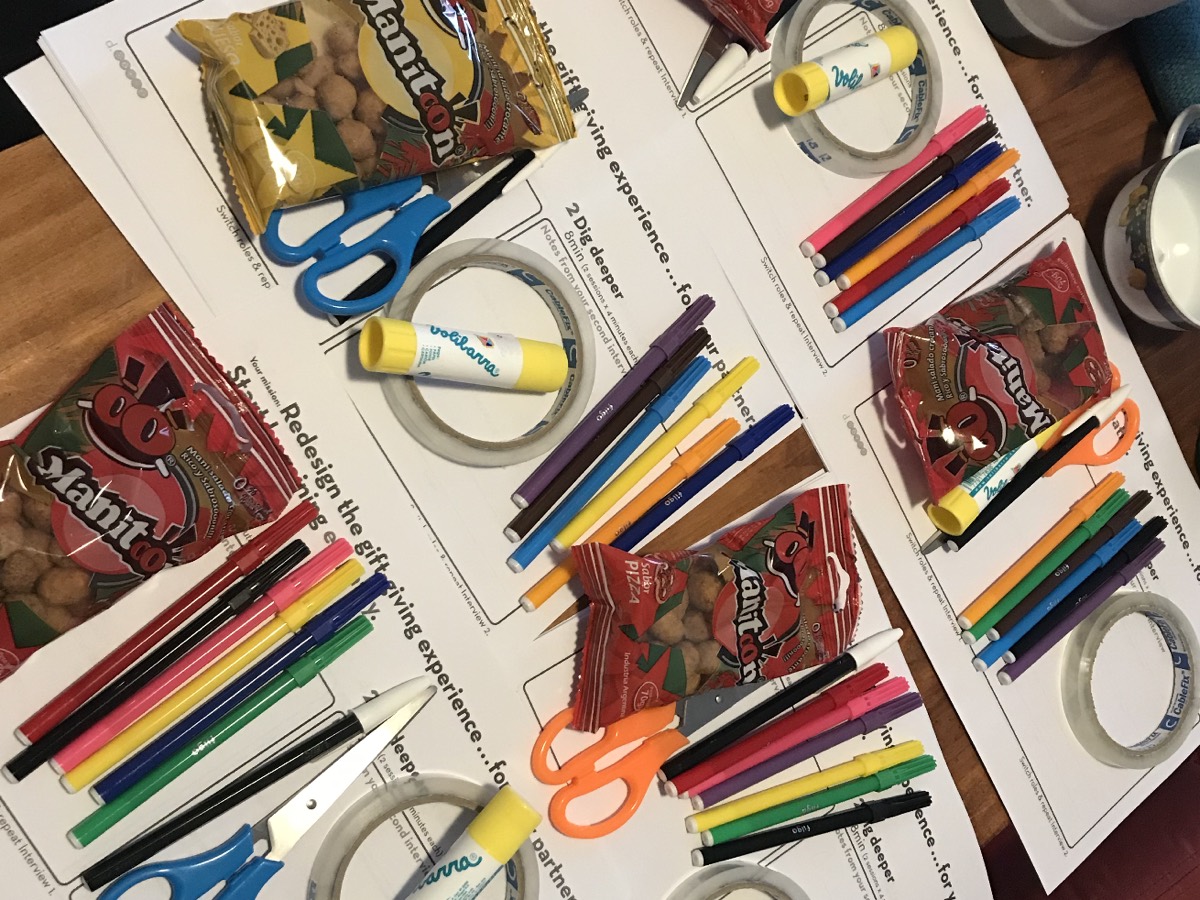
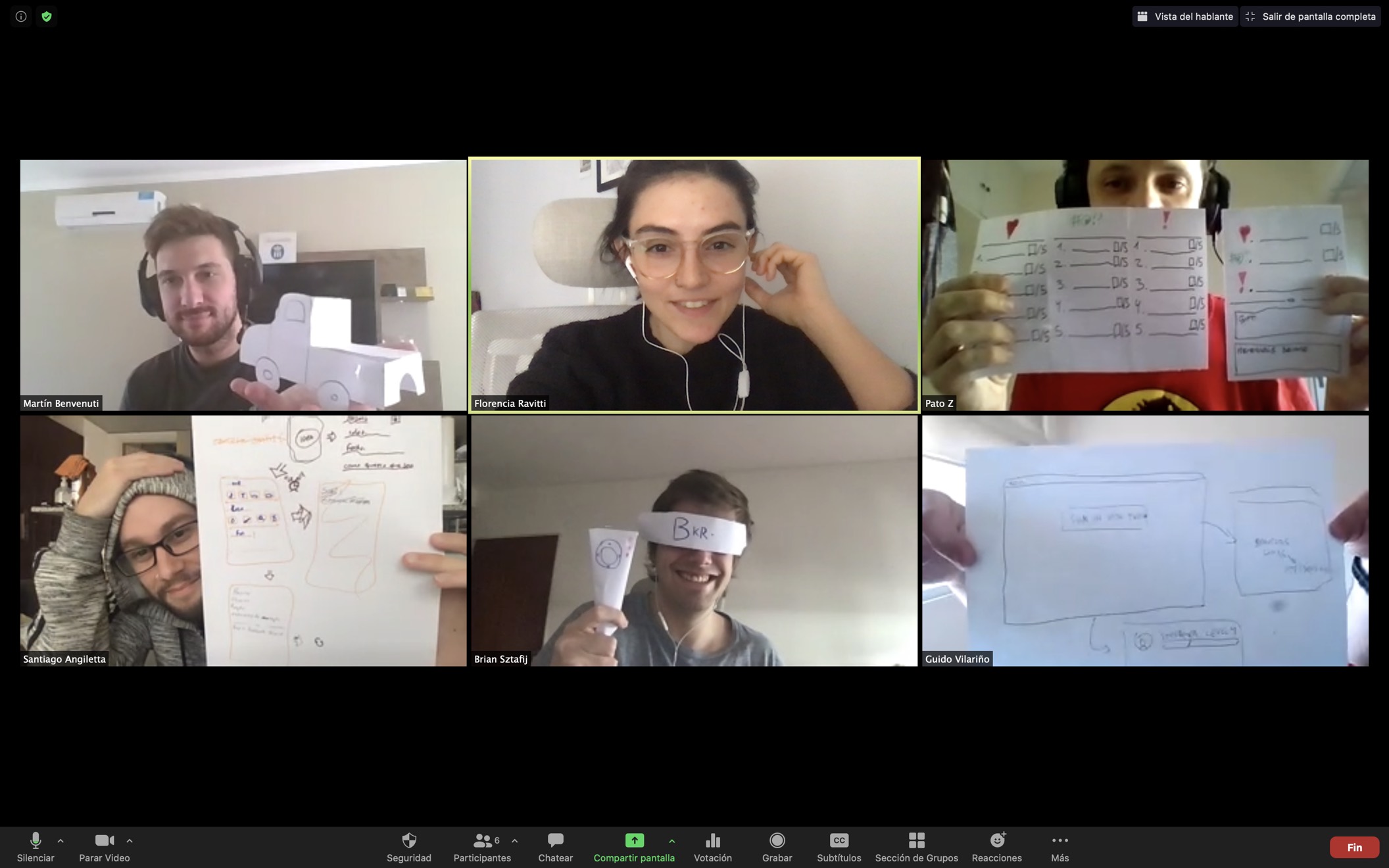
I wrote the content, built the first Mural template, and ran an MVP with eight engineering leads. Lockdown meant shipping physical kits to their homes by taxi. The format landed; people who started the session confused ended it smiling.
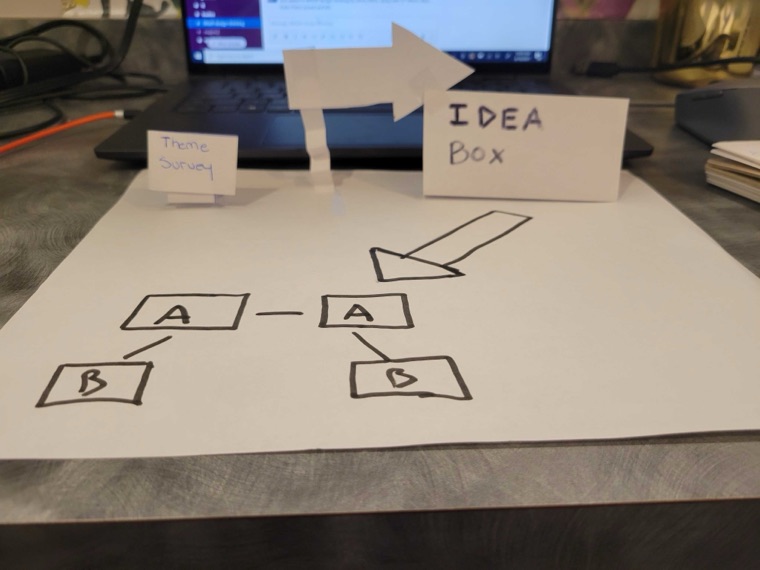
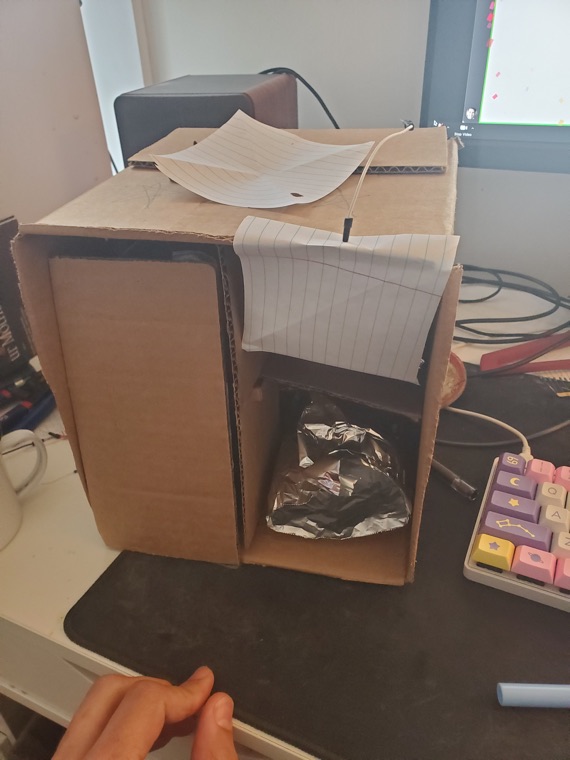
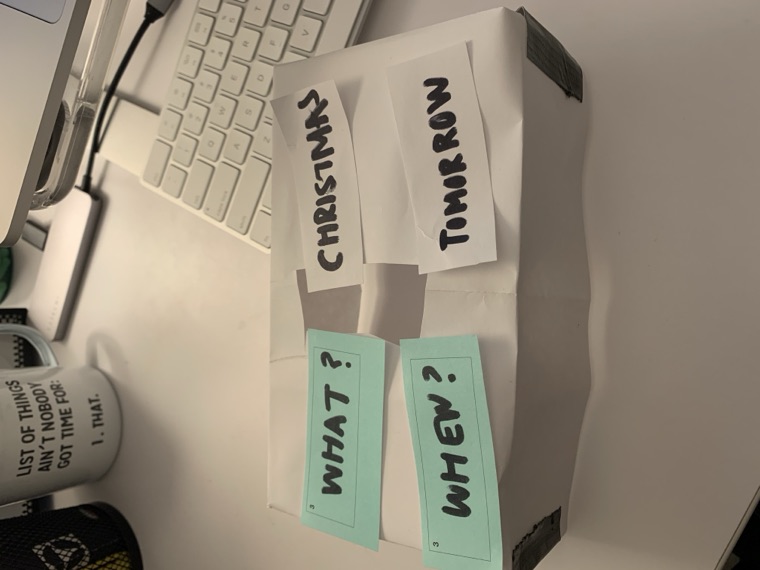
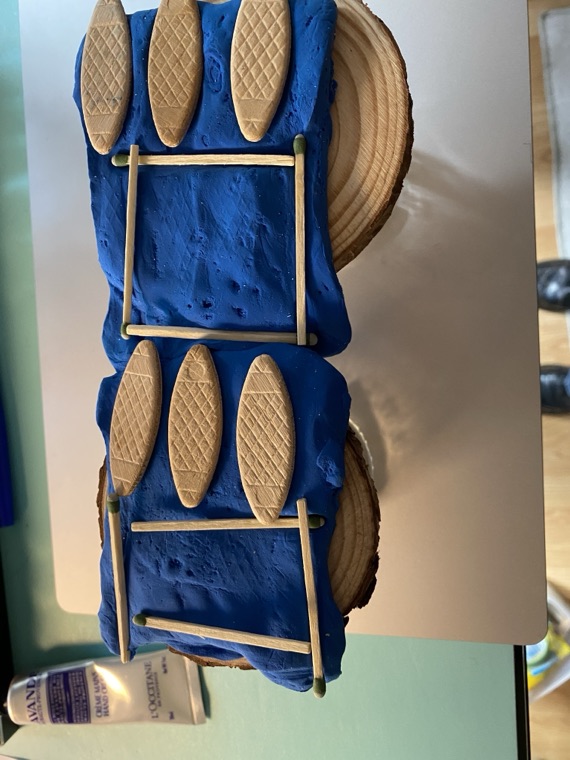
Scale through other people, not through me. The CEO saw the pilot and decided every employee should take it. It became a company OKR, and I was still the only facilitator.
The fast option was to run the sessions myself. I proposed the slower one: make it a design team OKR so all 30 designers would facilitate at least one session that quarter. This was worse for throughput in the short term and it added a training burden on top of the program itself. I took that trade because a program that depends on one person is not a program, and because the design team stood to gain something from it.
That choice had a real cost. Coordinating this alongside full-time product work meant less of me on my product surface for two quarters. I made that trade deliberately and I would make it again, but it is the reason for the third decision below.
Hand it off before it breaks. When coordination stopped being sustainable, I made the case to leadership for external facilitation support rather than quietly letting quality slip. I onboarded the vendor, reviewed their facilitation plans, and held the line on cultural fit. Then I stepped back. The program no longer needed me, which had been the point from the start.
Developing 30 facilitators who did not report to me
Half the design team had never facilitated anything. For several, the barrier was not facilitation at all; it was standing in front of a room and doing it in English, which was not their first language.
So the training path was designed around lowering the cost of a first attempt:
- A three-stage progression. Observe a session, co-facilitate with a peer, then lead solo. Nobody’s first time was also their first time alone.
- A facilitation kit with a timed script, cues, virtual facilitation guidance, reusable templates, and a playlist for the quiet moments. Preparation should not be a test of confidence.
- Language pairing, built with People Operations, so non-native speakers could co-facilitate in their strongest language before doing it in English.
We corrected in public when we got it wrong. One early session put 24 participants in front of a single facilitator. It ran an hour long, people left early, and it was visibly bad. We capped groups at 8 to 12, assigned co-facilitators for breakouts, and moved logistics, pairing, and post-session surveys to People Ops.
Outcome
First quarter: 14 sessions, 230 employees trained, 20 facilitators onboarded, 84% of the company OKR completed. 88% of participants rated facilitation as effective. The program was later made mandatory for all employees and embedded in new hire onboarding, where it remains.
The outcome I care about most is not in the survey data. Facilitation outlasted the mandate. Designers who had never run a session went on to facilitate in their own product teams, in customer-facing workshops, and at internal offsites, with nobody requiring it of them. The quarter created an obligation; what stuck was a capability.
Reflection
The reach is not the part I am proud of. The facilitation kit, the training path, and the operating model are still running without me, and the people I trained kept facilitating after they stopped having to. That is the difference between running a program and building a capability.
After the session, I feel comfortable talking about design thinking with others.
62% answered 4 or 5
After the session, I feel comfortable using design thinking in my role at Mural.
46% answered 4 or 5
| Question | 1 | 2 | 3 | 4 | 5 |
|---|---|---|---|---|---|
| Comfortable talking about design thinking with others | 0% | 7.7% | 30.8% | 38.5% | 23.1% |
| Comfortable using design thinking in my role at Mural | 0% | 3.8% | 50% | 26.9% | 19.2% |